What Are Activewear Leggings Really Made Of — and Does “Sustainable” Mean They Last Longer?
When shopping for leggings, you’ll often see fabric labels filled with words like polyester, nylon, elastane and recycled fibres. But what do these actually mean — and more importantly, do sustainable fabrics really last longer, or is longevity about something else entirely?
Let’s break it down.
The fabrics you’ll see most in leggings
Most performance leggings on the market — including those from brands like Sweaty Betty — are made from blended fabrics, not a single fibre. That’s because no one material can do everything well on its own.
Polyester (often recycled)
Polyester is one of the most common fibres in activewear.
Why brands use it
Lightweight and quick-drying
Excellent at moisture-wicking
Holds its shape well
Durable and affordable
Recycled polyester (often made from plastic bottles) reduces reliance on virgin plastic and lowers environmental impact — but it behaves almost identically to standard polyester in wear.
Longevity note:
Polyester is very durable, but it can hold odour over time if not cared for properly.
Nylon (also called polyamide)
Nylon is often considered the premium activewear fibre.
Why brands use it
Softer and smoother against the skin
Strong and abrasion-resistant
Breathable with a luxurious feel
Excellent colour retention
Longevity note:
Nylon tends to age beautifully — it resists pilling and thinning better than many polyesters when blended well.
Elastane (also known as spandex or Lycra)
Elastane is the stretch hero.
Why brands use it
Provides flexibility and comfort
Allows leggings to move with your body
Helps garments snap back into shape
Elastane is never used alone — it’s always blended with polyester or nylon.
Longevity note:
Too much elastane can reduce lifespan; too little can lead to bagging and sagging. Balance matters.
Why fabric blends matter more than “sustainable” labels
Here’s the honest truth:
Sustainable fabrics don’t automatically mean longer-lasting clothing.
Longevity comes from:
Smart fabric blends
Quality yarns
Construction and stitching
How the garment is worn and cared for
A well-made nylon–elastane legging can outlast a poorly constructed recycled polyester one by years.
The role of pound-per-wear (and why it matters)
Rather than focusing only on price or sustainability claims, it’s worth thinking in terms of pound per wear.
For example:
£80 leggings worn twice a week for 3 years = pennies per wear
£35 leggings replaced every 6 months = far higher cost (financially and environmentally)
Longevity is sustainability in action.
Buying fewer, better-quality pieces that last longer:
Reduces waste
Lowers demand for fast production
Saves money long term
So… are sustainable fabrics still important?
Yes — but in context.
Sustainable fibres help by:
Reducing virgin plastic use
Lowering water and energy consumption
Supporting better manufacturing practices
But they are most powerful when paired with durability.
The most sustainable legging is the one you:
Wear regularly
Wash carefully
Keep for years
The takeaway
Sustainability in activewear isn’t just about what a fabric is made from — it’s about how long it stays in your life.
The best leggings:
Use thoughtful blends of nylon or polyester with elastane
Balance stretch, strength and comfort
Are designed to move, wash well, and last
Because true sustainability isn’t trend-led — it’s longevity-led.
Featured Products
 Anything But Ordinary
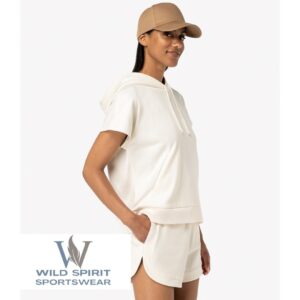
Esmé French Terry Shorts
£32.99 Select options This product has multiple variants. The options may be chosen on the product page- Anything But Ordinary
The Esmé Sleeveless Hoodie
£44.99 Select options This product has multiple variants. The options may be chosen on the product page - Accessories
The Drifter Baseball Cap
£19.99 Select options This product has multiple variants. The options may be chosen on the product page